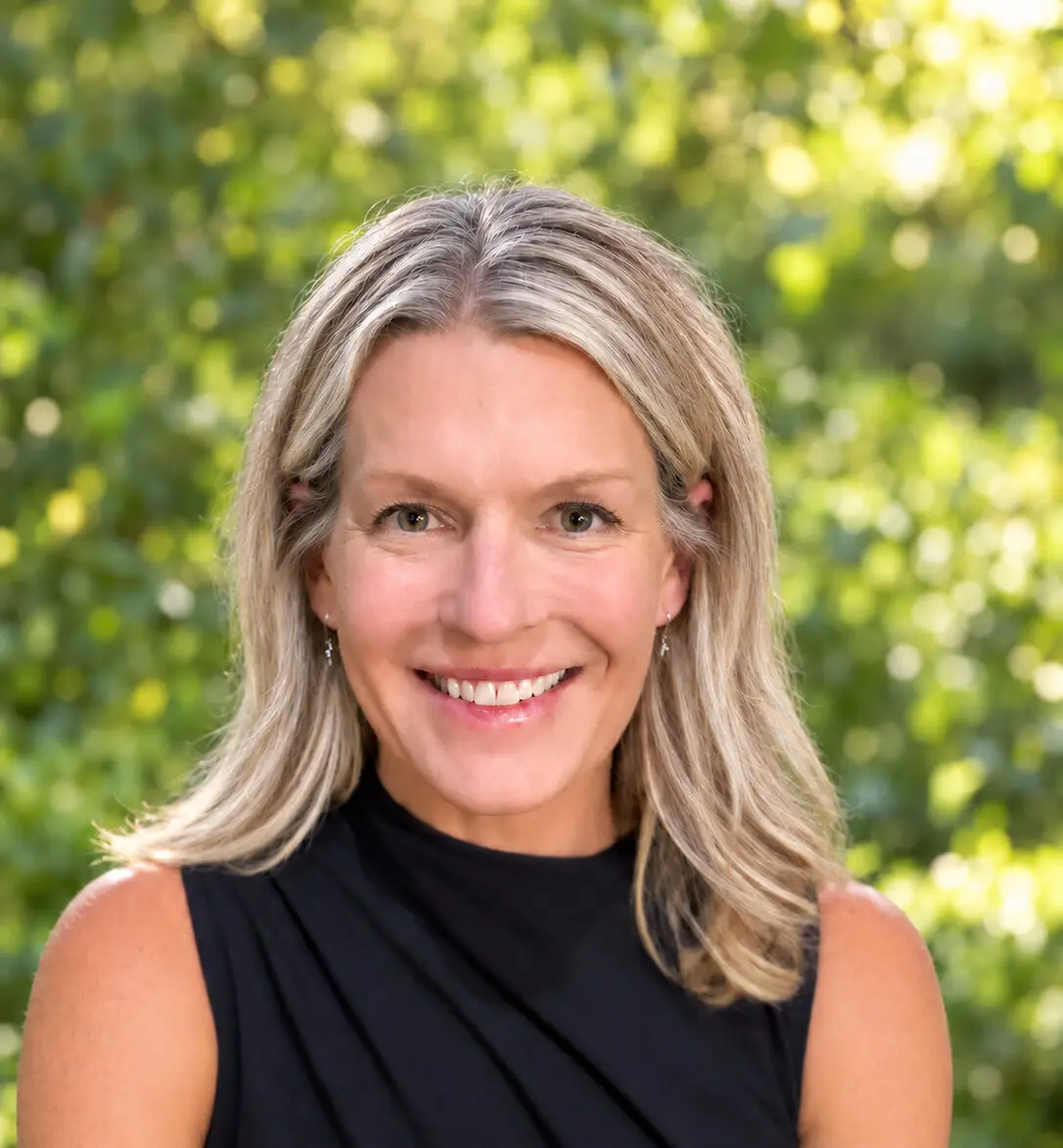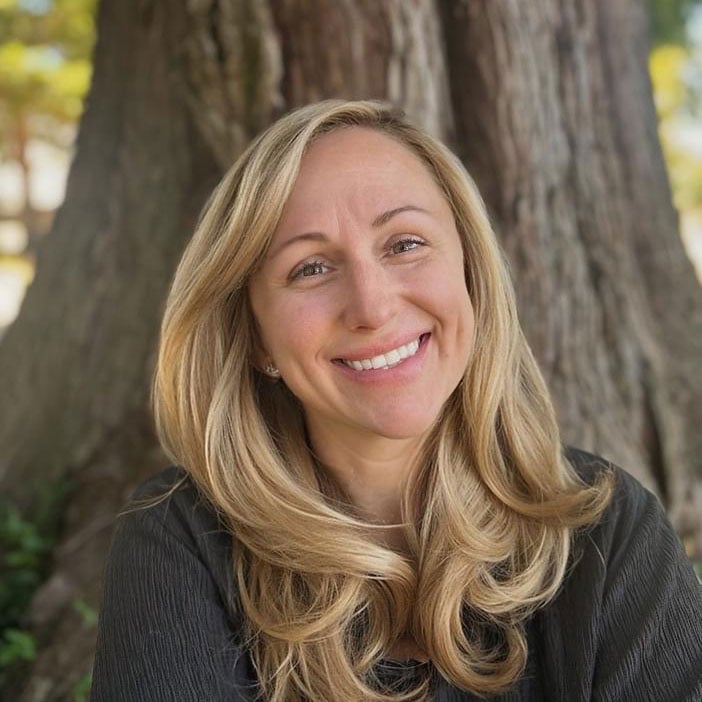
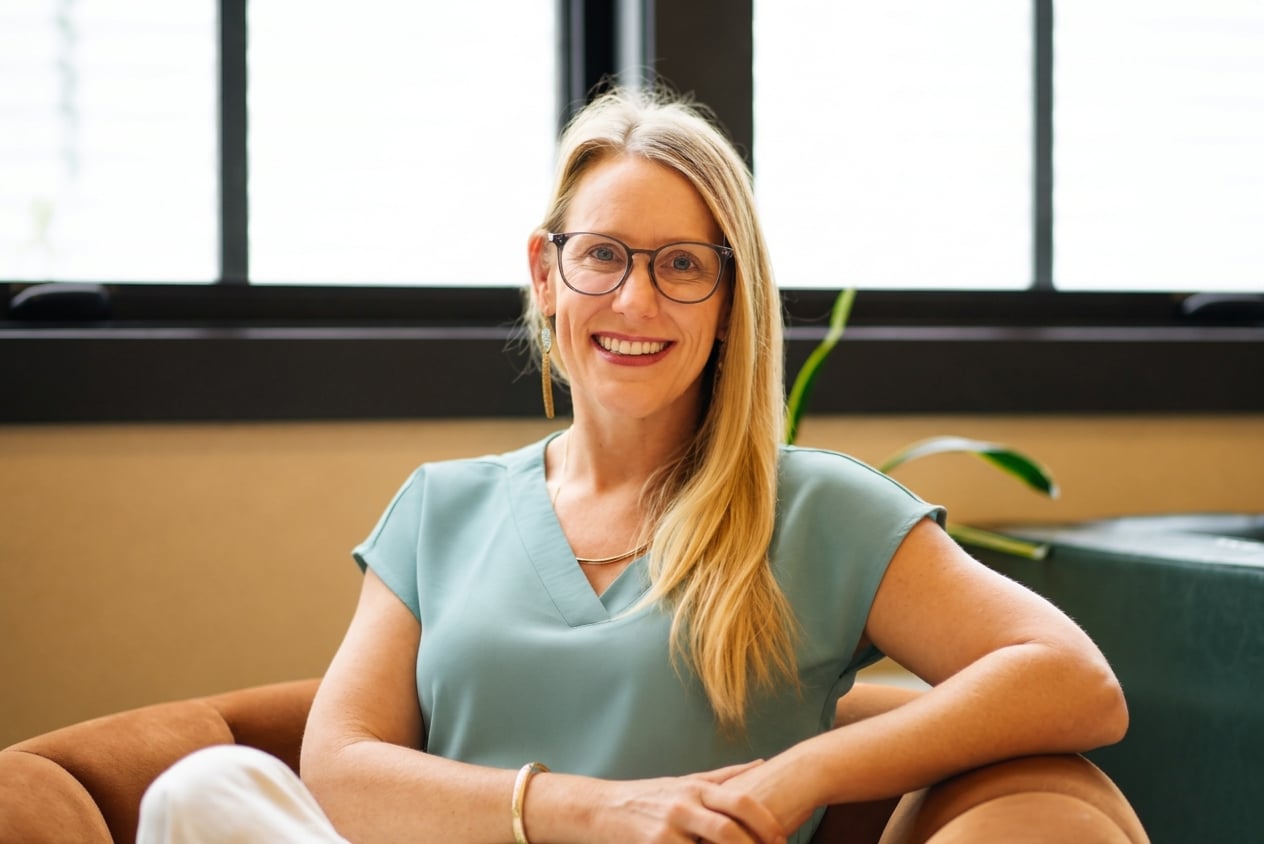
Dr. Kelly Aldinger, PMHNP, MSW, started UpWell Psychiatry in 2021 with one strong belief: psychiatric care should feel human. Kelly is a psychiatric nurse practitioner who began her career in social work. She grew up in Hawaiʻi and brings a background in wilderness therapy, social work, and public health nursing to the practice she founded.
Today, UpWell is a clinician-owned telehealth psychiatry practice serving Oregon and Washington. Kelly is still in charge of how it runs, including how quickly people hear back, how easy it is to book, and the best approaches to treatment. Below, she shares what pushed her toward nursing, what the early days were really like, and what she’d say to anyone who feels nervous about reaching out.
Why Did Kelly Move From Social Work to Psychiatry?
Kelly’s first job after earning her Master of Social Work was founding and leading a mental health program for refugee women. Therapy and case management helped, but for some clients, it felt like they just weren’t enough.
“I learned that trauma often shows up in the body, and can involve many physical symptoms,” she says. That fits what researchers describe: the National Institute of Mental Health notes that trauma can disrupt basics like sleeping and eating, long after the event itself.
Kelly wanted to take a holistic approach to treatment; “I wanted to learn more about assessing the whole-person, the mind, body, and social environment so I could provide better support to women who had gone through so much.”
That lens is still the foundation of how she practices, and of the medication management care UpWell offers today.
What Were the First Months of UpWell Really Like?
From day one, Kelly’s priority has been taking care of people the way she would want to be treated. For a solo founder, that meant getting back to people quickly, accounting for each person’s specific needs, making intake transparent and easy, and keeping her clinical care grounded in the most up-to-date evidence.
In practice, the early days were a lot less glamorous than the mission. Kelly answered emails, cared for patients, and read every book on psychiatry and therapy she could get her hands on. The first few months were filled with 14-hour days, and she’ll tell you, “to be honest, they still are!”
It’s the kind of effort that explains how UpWell grew from one founder into a team of eleven independently licensed psychiatric providers. As Kelly puts it, “we are committed to doing right by our patients, our providers, and our community.”
How Does UpWell Fix the Process, Not the Person?
Kelly runs UpWell on a simple idea: when something isn’t working, look at the system first. “We know that when someone needs support, they often need it this week – not in a month or two,” she says.
That’s why UpWell is building a self-scheduling system. The goal is for you to be matched with the best provider for you and book an appointment from the moment you land on the website, with no more wondering when the next opening is. The team has also just hired to expand its reproductive and perinatal psychiatry team, and it keeps growing, so patients don’t have to wait for the support they deserve.
Behind the scenes on the programs speeding up access
Two projects sit at the heart of that work: the new self-scheduling program and UpWell’s direct clinician referral program.
The referral program matters to therapists and other providers who send patients UpWell’s way. It makes referrals easy to track, so the team can reach out to both the patient and the referring provider quickly and get people connected to care. If you’re a clinician, you can learn more on the provider referral page.
Where Does the Name UpWell Come From?
The name isn’t random, and neither is the wave in UpWell’s logo. Kelly grew up in Hawaiʻi with a father who worked as a naval oceanographer, and she borrowed the word from his world. In oceanography, an upwelling is when deep, nutrient-rich water rises toward the surface.
For UpWell, the verb means “to rise from an inner source. To bring what’s beneath the surface into view.” It’s a fitting picture for care that helps people find their own strength. UpWell’s philosophy isn’t that people need fixing, but that everyone can benefit from support in growing into the person they want to be, “we’re honored to partner with people on that journey.”
That’s why the practice started with, in Kelly’s own words, “one founder, a wave metaphor, and a strong-held belief that psychiatric care should feel human.” You can read more on the About UpWell page.
What Does Kelly Want Nervous Patients to Know?
If Kelly had thirty seconds with someone who’s scared to reach out, she’d start with this: “I’ve been there, and can say with full confidence that with the right support, life can get better.”
She knows what many folks worry about, too. Plenty of people fear that therapy or medication will “change” them or dull them. “But our goal is to get you back to the best version of you,” Kelly says. And it’s normal for the right fit to take some time. As the National Institute of Mental Health explains, medications can affect people in different ways, which is why working closely with a provider matters.
Then there’s the part Kelly most wants people to hear: “Nothing is permanent, and nothing is required after an assessment.” Her advice is to talk to someone, because “the worst thing that can happen is you walk away with a bit more information to make the choice that’s best for you, whether it’s engaging in care or not.”
Start Your Care at UpWell Psychiatry
Kelly’s own schedule is currently full, but the care she built is not limited to her. UpWell’s team of independently licensed providers offers telehealth psychiatry across Oregon and Washington, with a clear, human approach from the first request. UpWell works with private insurance, and you can see every clinician on the Meet Our Team page.