Pregnancy and new parenthood get described as the happiest season of life. Sometimes they are. Often they are also tender, disorienting, and harder than anyone said they would be. Low mood, constant worry, thoughts that won’t let go, grief after a loss: these are common, and they deserve real care.
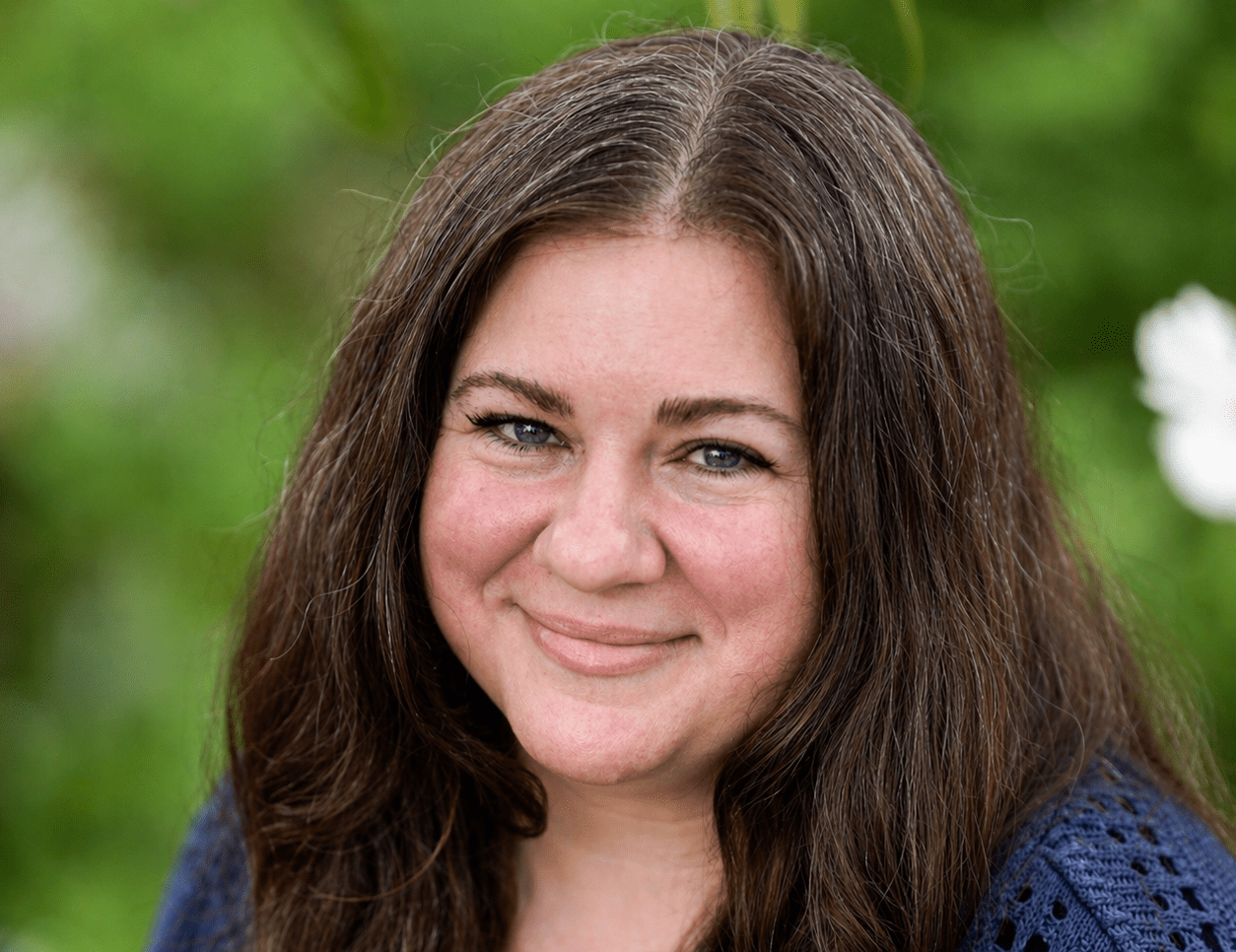
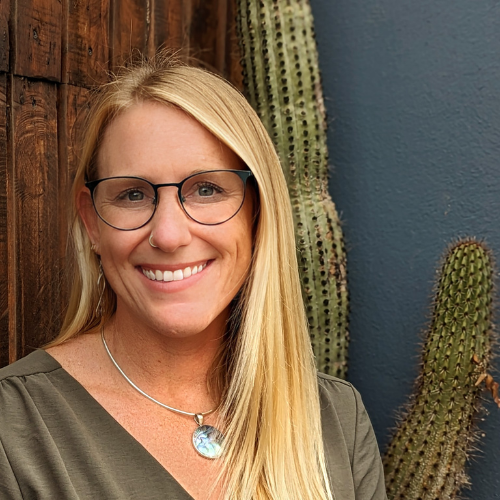
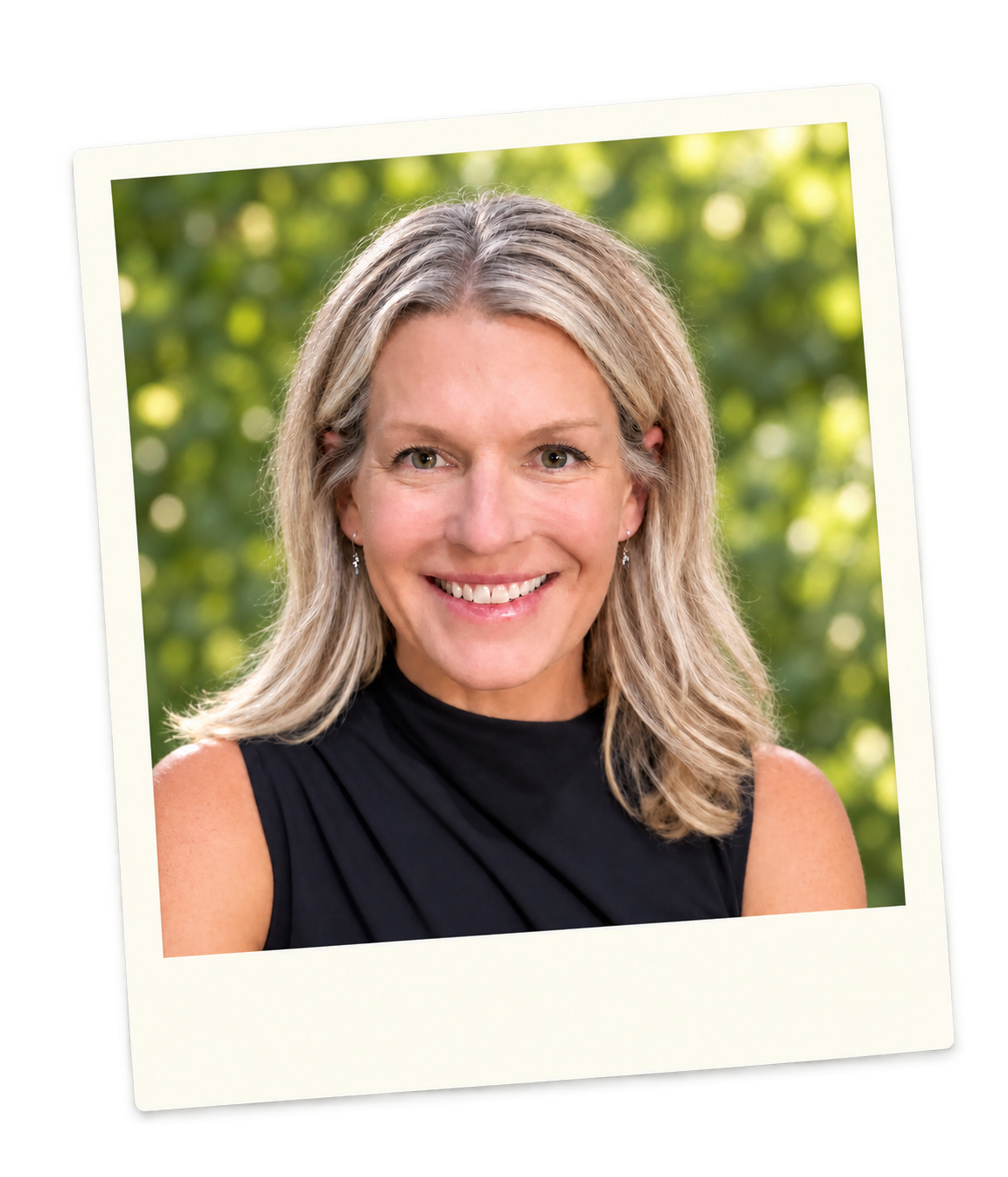
Robin Secrist, PMHNP, PMH-C, has built her career around exactly this. She’s a board-certified psychiatric mental health nurse practitioner with more than 13 years of experience and a specialized certification in perinatal mental health. She’s also the newest member of our small team, seeing patients across Oregon and Washington by telehealth.
We asked Robin what drew her to this work, who she loves helping, and what it’s like to start care with her.
Looking for care from someone who specializes in pregnancy and postpartum? Let’s get started.
Meet Robin
Robin’s path runs through inpatient, outpatient, and hospital-based psychiatric care at the University of Colorado and the Medical University of South Carolina, along with experience in interventional psychiatry, including TMS.
Q: What drew you to psychiatry, and to perinatal mental health specifically?
Robin: I’ve always been fascinated by the intersection of biology, psychology, and the experiences that shape who we are. Psychiatry allows me to bring those pieces together while developing meaningful, long-term relationships with patients.
Over the 13+ years I’ve been a psychiatric nurse practitioner, I’ve worked in many different psychiatric settings, from inpatient hospitals and pediatric consultation services to outpatient and interventional psychiatry. One thing that has remained constant is my belief that good psychiatric care starts not simply treating a collection of symptoms.
My interest in reproductive and perinatal mental health grew from recognizing how profoundly hormonal transitions, identity, relationships, and life circumstances can affect mental health. I’ve also seen how easily the psychological impact of these experiences can be minimized or overlooked, and how important it is that treatment be thoughtful, nuanced, and grounded in evidence.
I love being able to offer thoughtful, evidence-based care during these transitions and helping people feel more like themselves again.
Q: What do you wish more people knew about mental health during pregnancy and after birth?
Robin: We live in a culture that is remarkably quick to criticize parents. Parenting has become an exercise in navigating unsolicited opinions, from how your baby was conceived, to how you give birth, to how you feed your baby, and right down to the last diaper—which, rest assured, someone will have an opinion about.
For parents who experience pregnancy loss or the death of a baby, even well-intentioned comments like “you can always try again” or “maybe it’s for the best” can be deeply painful.
The constant scrutiny can contribute to anxiety, guilt, and self-doubt during an already vulnerable time. I wish we were better at supporting parents rather than evaluating them.
Taking care of your own mental health is one of the most important things you can do for yourself and your family—and even that doesn’t have to be done perfectly.
I also wish more people understood that psychiatry during the perinatal periods doesn’t necessarily mean medication, and that medication isn’t automatically off the table during pregnancy or breastfeeding.
There are options, and people deserve accurate information, compassion, and support in making decisions that feel right for them.
Outside The Office
Q: Outside of work, what keeps you grounded?
Robin: I’m a mom to a nine-year-old daughter, and spending time with her is one of my greatest joys. We love being outside, exploring new places, hiking, biking, one-minute dance parties, and sometimes watching the Great British Baking Show – again. We have an older Border Collie mix who is very much part of the family – who we both find grounding – and I anticipate he’ll make a cameo appearance during more than a few telehealth appointments.
I’ve also learned that staying grounded means making time to be without my daughter, too. That can take many forms.
Just as important are a handful of cherished friendships. I’m fortunate to have people in my life who I know will love me through both my decisions even if they don’t agree with them, my accomplishments, and my missteps. Some of these same relationships supported me through the process of creating a nontraditional family, and that experience deepened my appreciation for the importance of what I describe as true friendship.
Who Robin Helps
Robin supports individuals and families through preconception planning, pregnancy, postpartum, and the emotional transitions of parenthood. Her focus includes perinatal depression, menopause/perimenopause, anxiety, OCD, and trauma-related disorders.
Q: Who do you most love working with? What brings people to you?
Robin: I particularly enjoy working with people who are navigating complicated transitions or who feel that their experiences—whether emotional, day-to-day, or related to their mental health—haven’t been fully understood.
Many of my patients have spent a long time feeling pretty well, and many have been struggling for a long time. I consider all of my patients capable and thoughtful
I work with people experiencing depression, anxiety, OCD, trauma-related symptoms, ADHD, and complex mood disorders. My background also includes extensive work with adolescents and young adults.
Within reproductive psychiatry, I especially enjoy helping people navigate pregnancy planning, pregnancy, postpartum, and other reproductive transitions.
I also appreciate working with patients who have had difficult experiences with psychiatric treatment or who feel hesitant about medication. Sometimes deprescribing—helping someone safely transition to a lower dose or discontinue a medication altogether—can be an incredibly valuable part of treatment.
Depression and Anxiety During Pregnancy and Postpartum
Q: What are some signs that depression, anxiety, or OCD during pregnancy or postpartum might be more than the “normal” adjustment to the circumstances?
Robin: Some emotional ups and downs are expected if someone even considers having a baby, not to mention during pregnancy, after the birth of a baby, or perinatal loss.
What concerns me is when symptoms become persistent, distressing, or begin interfering with someone’s ability to function or enjoy their life.
That might look like feeling constantly overwhelmed, experiencing intense guilt or hopelessness, having difficulty sleeping even when there’s an opportunity, or feeling disconnected from yourself or your baby.
Anxiety may show up as relentless worry, restlessness, or irritability.
With OCD, people may experience intrusive, unwanted thoughts or feel compelled to repeatedly check, seek reassurance, or perform rituals to manage their anxiety.
If something doesn’t feel right, that’s reason enough to have a conversation.
Perinatal OCD
Q: Perinatal OCD often goes unrecognized. How would you explain it to someone who has never heard of it?
Robin: Perinatal OCD can be particularly frightening because it often involves intrusive thoughts about harm coming to a baby.
Sometimes it looks like repeatedly checking the baby monitor or your baby’s breathing, even when you desperately need sleep. Or feeling as though you can’t safely bathe your baby unless someone else is watching what you do. It can involve engaging in mental rituals to try to feel safe.
It can also involve intrusive thoughts or images about intentionally harming your baby, while simultaneously knowing that doing so is completely inconsistent with who you are and what you would ever want to do.These thoughts are unwanted, distressing, and often deeply upsetting precisely because they conflict with the person’s values and intentions.
Having an intrusive thought is not the same as wanting to act on it.
Unfortunately, shame and fear of being judged can prevent people from talking about these experiences.
I want patients to know that perinatal OCD is a recognized, treatable condition. With appropriate assessment and treatment, people can experience tremendous relief.
It’s also important to distinguish OCD from other conditions, including postpartum psychosis, because they require different approaches to care.
Loss and Family-Building Paths That Don’t Go as Planned
Robin recognizes that pregnancy and parenthood do not always unfold as expected, and that there is no single right way to build a family.
Q: You support people through preconception, loss, and family-building paths that don’t go as planned. What do you want those patients to know before they reach out?
Robin: There’s no right way to experience these things, and you don’t need to have the words to explain exactly what you’re feeling.
Fertility challenges, pregnancy loss, and unexpected changes in family-building plans can bring grief, anger, anxiety, and disappointment. And sometimes, following a pregnancy loss, there may also be a sense of relief. That can be difficult to acknowledge, particularly when it doesn’t fit with what someone thinks they’re supposed to feel. And I wouldn’t be surprised if someone you know has felt this way, too.
My role isn’t to tell someone how they should feel or what their experience should mean. It’s to offer an opportunity to explore those experiences without judgment and to identify what kind of support might be helpful.
What Your First Visit Looks Like
Q: What does a first appointment with you look like? What should someone expect or prepare?
Robin: The first appointment doesn’t always look the same, because people come to psychiatric care with very different needs. You don’t need to arrive with a clear diagnosis or treatment goal, and these can evolve over time.
If someone has specific concerns or goals, we can start by talking about those. If someone knows that something doesn’t feel right but isn’t quite sure what they want to address, sometimes, I’ll start by asking questions that I’ve found can help people begin to organize and make sense of their thoughts and experiences.
And sometimes, once we start talking, an appointment can feel overwhelming. That’s okay, too. We can pause for a few minutes, change direction, or even decide to continue the conversation another day when it feels like the right time to meet again.
You don’t need to prepare anything elaborate. A medication list or previous treatment history can be helpful, but it’s certainly not a requirement.
My goal is for you to feel heard and respected, and for us to begin identifying what might be helpful without feeling rushed or pressured.
Q: How do you approach treatment? How do you decide together on a plan, whether that includes medication, therapy, or both?
Robin: Treatment is a collaboration.
I bring clinical experience, knowledge of the evidence, and an understanding of available treatment options. My patients bring something equally important: expertise in their own lives, experiences, priorities, and values.
What I consider treatment encompasses a very wide range of possibilities. It may include medication, psychotherapy, lifestyle changes, addressing underlying medical or environmental factors. Sometimes treatment is the pause I mentioned earlier—recognizing that someone needs a moment before we move forward. Occasionally, someone saying a few things out loud ends up being the treatment and I encourage them to come back if they feel stuck again in the future.
And honestly, there are days when I wish I could write a prescription that simply gives someone permission to take a nap. Preferably one that comes with childcare and absolutely no guilt.
I’m also very mindful of the fact that treatment needs to fit into someone’s actual life. A theoretically perfect plan isn’t particularly helpful if it isn’t realistic or sustainable.
I want patients to understand their options, feel comfortable asking questions, and have a genuine voice in decisions about their care.
Medication, Pregnancy and Breastfeeding
Deciding whether to take, continue, or adjust psychiatric medication while pregnant or breastfeeding can feel heavy. Robin offers thoughtful, individualized guidance here, and the decision is always made together.
Q: A lot of people worry about taking psychiatric medication while pregnant or breastfeeding. How do you approach that conversation?
Robin: I start by acknowledging that these decisions can feel incredibly difficult, particularly when someone is receiving conflicting advice or information.
We’re not comparing medication exposure with a completely risk-free alternative. However, untreated or poorly controlled psychiatric illness can carry greater risks during pregnancy and postpartum, both for the parent and for the baby. Research has repeatedly demonstrated associations between significant, untreated maternal psychiatric symptoms and adverse outcomes for both parent and child, including effects on early development and longer-term well-being. For many patients, the risks associated with poorly controlled illness may outweigh the relatively small or uncertain risks associated with certain medications, such as commonly prescribed antidepressants.
The important point is that these decisions require an individualized assessment. Neither taking medication nor avoiding medication is automatically the safest choice. My goal is never to pressure someone toward a particular decision. It’s to provide thoughtful, evidence-based guidance so they can make an informed choice that supports their health and their family’s well-being.
We look carefully at the available research, the severity of symptoms, family history, previous treatment responses, the specific medication, and the person’s individual circumstances.
I also consider what we know about medication exposure during breastfeeding, including how much medication may reach the infant and what that means clinically.
And if I don’t know something, I’ll look it up—often right there during the appointment—or seek guidance from colleagues. Psychiatry, and particularly reproductive psychiatry, is an evolving field. I believe being a good clinician means remaining curious, acknowledging what we don’t know, and continuing to learn.
If you want to understand the specific statistics, review studies, or dig into the research behind a recommendation, I’m happy to do that with you. Education is an essential part of informed decision-making.
For general background, MotherToBaby (mothertobaby.org) offers free, expert information on
medication during pregnancy and breastfeeding. Every situation is different, so talk through your
own with your provider.
Care by Telehealth
Q: What’s it like to do this kind of care by telehealth?
Robin: Telehealth can work beautifully for psychiatric care, particularly during pregnancy and postpartum.
Being able to connect from home removes some of those barriers and can make consistent care much more accessible.
I’ve worked in both in-person and virtual settings, and I’ve found that meaningful therapeutic relationships are absolutely possible through telehealth.
That said, I’ve also found that sometimes parents need a reason—or a little accountability and encouragement—to get out of the house. Telehealth offers flexibility, but I don’t want it to become another reason someone feels isolated and I recognize that telehealth doesn’t offer quite the same built-in reason to leave home. I love brainstorming practical ways to support patients in getting outside, connecting with other people, or simply having a change of scenery when those things might be helpful.
Care at UpWell can include medication management, therapy, or both, shaped around what fits your life. Robin also works alongside the rest of your care team, whether that’s your OB, midwife, or therapist.
A Few Resources Robin Trusts
Q: One book, podcast, or resource you recommend to patients or new parents?
Robin: One resource I frequently recommend is Postpartum Support International (PSI).
They offer excellent educational resources, peer support groups, and ways to connect with providers who understand perinatal mental health.
I particularly appreciate that they help normalize experiences that can otherwise feel incredibly isolating.
I also recommend MotherToBaby for questions about medication exposures during pregnancy and breastfeeding, as well as the Massachusetts General Hospital Center for Women’s Mental Health, whose website, womensmentalhealth.org, provides accessible, research-based information about reproductive psychiatry.
But I also want people to remember something important: you have agency.
Even in the simplest and easiest of life’s circumstances—if such a thing actually exists!—I believe it’s important to ask questions, do your own research, seek support, and trust your curiosity.
And just by finding your way to this website, you’ve already demonstrated that your curiosity, intuition, and willingness to seek information are valuable resources themselves.
Postpartum Support International (postpartum.net) is another good place to start, with a free
helpline, support groups, and resources for parents and families.
One Last Thing I Want Patients to Know
Robin: I will always consider your safety and the safety of your baby. But I want you to know that I am treating YOU. Your health, your experiences, your needs, and your well-being matter in their own right. You are not forgotten in this process.
Ready When You Are
You don’t have to wait until things feel unmanageable. Whether you’re planning a pregnancy, expecting, deep in the postpartum months, or grieving a loss, Robin and our reproductive and perinatal team are here. You can also meet the rest of our clinicians.
Let’s get started. We happily accept private insurance and see patients across Oregon and Washington by telehealth
If you are in crisis or thinking about harming yourself, call or text 988 to reach the Suicide and
Crisis Lifeline, or call 911.